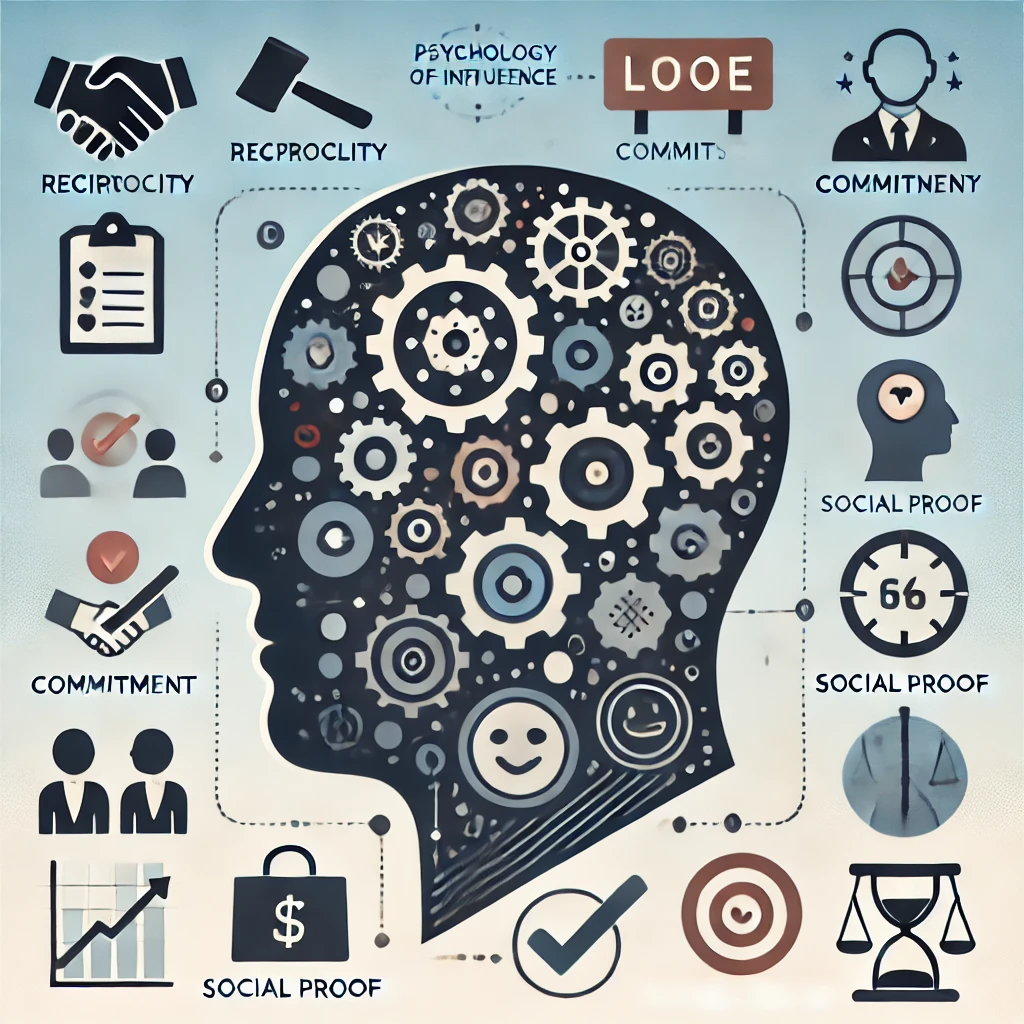
Selling isn’t about who has the best product. It’s about who understands the brain better. People like to think they’re rational buyers, carefully weighing pros and cons before making a decision. That’s a lie. Humans buy emotionally first, then scramble to justify their decisions with logic after. If you ignore this reality, you’ll always struggle
Selling isn’t about who has the best product. It’s about who understands the brain better. People like to think they’re rational buyers, carefully weighing pros and cons before making a decision. That’s a lie. Humans buy emotionally first, then scramble to justify their decisions with logic after. If you ignore this reality, you’ll always struggle to sell. If you embrace it, you can turn even skeptical prospects into buyers who lean forward and say, “This just feels right.”
Neuromarketing is about aligning your sales and branding with the way the brain already works. Instead of pushing against psychology, you ride it. Instead of convincing, you influence. Here are seven psychological triggers that, when used ethically, can make your offers irresistible.
1. Anchoring ⚓
The first number people see becomes the mental benchmark for everything else. This is why high-end retailers put $10,000 handbags in the window—even though they don’t expect to sell many of them. The point isn’t to sell the $10,000 bag. The point is to make the $2,500 bag feel “reasonable.”
Anchoring works everywhere: coaching packages, SaaS tiers, consulting retainers. If you show your cheapest option first, everything else feels expensive. If you lead with your premium tier, everything else feels affordable by comparison. The order in which you present prices changes how people perceive value.
👉 Smart play: always lead with your premium option, even if most people won’t choose it. It frames the rest of your pricing as a bargain.
2. Scarcity ⏳🔥
Humans fear missing out more than they love gaining. That’s why “limited time” and “only 3 spots left” messaging works so well. Scarcity creates urgency by telling the brain: if you wait, you’ll lose your chance. And the fear of loss drives action faster than the promise of gain.
Think about how airline ticket prices spike as the departure date approaches, or how Amazon’s “Only 2 left in stock” banners push you to click now instead of later. Scarcity makes the decision immediate.
👉 Use scarcity ethically. Limit spots, cap bonuses, or set deadlines. If your offer is “always available,” the urgency dies, and so does momentum.
3. Social Proof 👥✅
People trust people more than they trust companies. That’s the foundation of social proof. When prospects see others buying, succeeding, or raving about your product, their brain says: “If it worked for them, it’ll probably work for me too.”
This is why reviews on Amazon matter more than the product description. It’s why testimonials, case studies, and even screenshots of positive feedback can be more powerful than any sales copy you write. The human brain is wired to look to the herd for safety.
👉 Always show proof of results. Highlight real names, faces, and measurable outcomes. The more relatable your proof, the stronger the influence.
4. Reciprocity 🎁
Give before you ask. That’s the rule of reciprocity. When you provide value upfront, people feel a subconscious pull to give back. This is why free samples at Costco work. It’s why content marketing—free guides, templates, videos—creates trust that leads to sales.
Reciprocity isn’t about manipulation. It’s about demonstrating goodwill so prospects want to reciprocate. The key is giving something that’s genuinely useful, not fluff. If your free content or free trial actually solves a problem, people will feel an unspoken debt—and often repay it by buying.
👉 Don’t hoard value. Give generously, and let reciprocity work for you.
5. Authority 👔📊
The human brain looks for shortcuts when making decisions. One of the biggest shortcuts is trusting authority. When someone positions themselves as an expert, the brain assumes they know better. That’s why doctors in lab coats sell toothpaste on TV. The authority signals—uniforms, titles, credentials, media features—all tell the brain: this person is trustworthy.
In marketing, you can borrow authority by showing logos of companies you’ve worked with, sharing “as seen in” features, or simply being consistent with thought leadership in your space. Authority doesn’t always come from credentials—it comes from how you position yourself.
👉 Don’t just claim expertise—signal it. Authority compresses trust-building time dramatically.
6. Loss Aversion 🚫💸
Psychology shows that losing something hurts about twice as much as gaining the same thing feels good. A $100 loss stings more than a $100 win excites. This is why insurance, warranties, and “don’t miss out” offers are so persuasive.
If your marketing only talks about benefits, you’re leaving money on the table. You need to also show prospects what they’ll lose by not acting. For example: “Without this system, you’ll waste 10 hours a week on manual work” hits harder than “This system saves you 10 hours a week.” Same fact. Different framing. Double the impact.
👉 Always frame your offers with both the gain and the cost of inaction.
7. The Contrast Effect 🎭
The brain doesn’t evaluate things in isolation. It compares. That’s why a $99 product feels expensive after a $20 ebook, but cheap after a $499 course. Perception of value is relative, not absolute.
If you only offer one package, customers have nothing to compare it against—so they hesitate. But when you structure your offers side by side, you control the comparison. You make one option the obvious “smart choice.” This is why gyms offer “basic, standard, premium” memberships. Most people don’t buy the cheapest or most expensive—they buy the middle, because it feels like the safest bet.
👉 Don’t leave your pricing naked. Always create contrast so the option you want people to pick stands out as the clear winner.
Final Word ⚡
Influence isn’t manipulation—it’s alignment. It’s understanding how the brain already makes decisions and designing your marketing to meet it there. If you want to sell anything, you don’t need hype. You need psychology.
Here’s the playbook:
- Anchor high so your real price feels low ⚓
- Use scarcity to create urgency ⏳
- Build trust with social proof 👥
- Trigger reciprocity by giving first 🎁
- Establish authority to shortcut trust 👔
- Frame decisions with loss aversion 🚫
- Use contrast to make choices obvious 🎭
The entrepreneurs who master these principles don’t just close more deals—they close them faster and easier. Because when your offer matches the way people’s brains already want to decide, you don’t have to push. The “yes” happens naturally.
👉 So, are you trying to convince people… or are you designing your brand to influence them automatically?
Author